A Mile Up
Colorado Dry Air and What It Does to Door Gaskets
Dry air ages a door gasket faster than use does. What to look for. Viking Appliance Repair Denver — call (720) 770-4189.
Written by Natalia Vukovic
Role Service technician — water systems and leaks · 17 years in the trade
In the trade Finds where the water goes before deciding what is wrong. A seal that shrank at the corner and a fitting that weeps look the same on the floor and cost nothing alike.
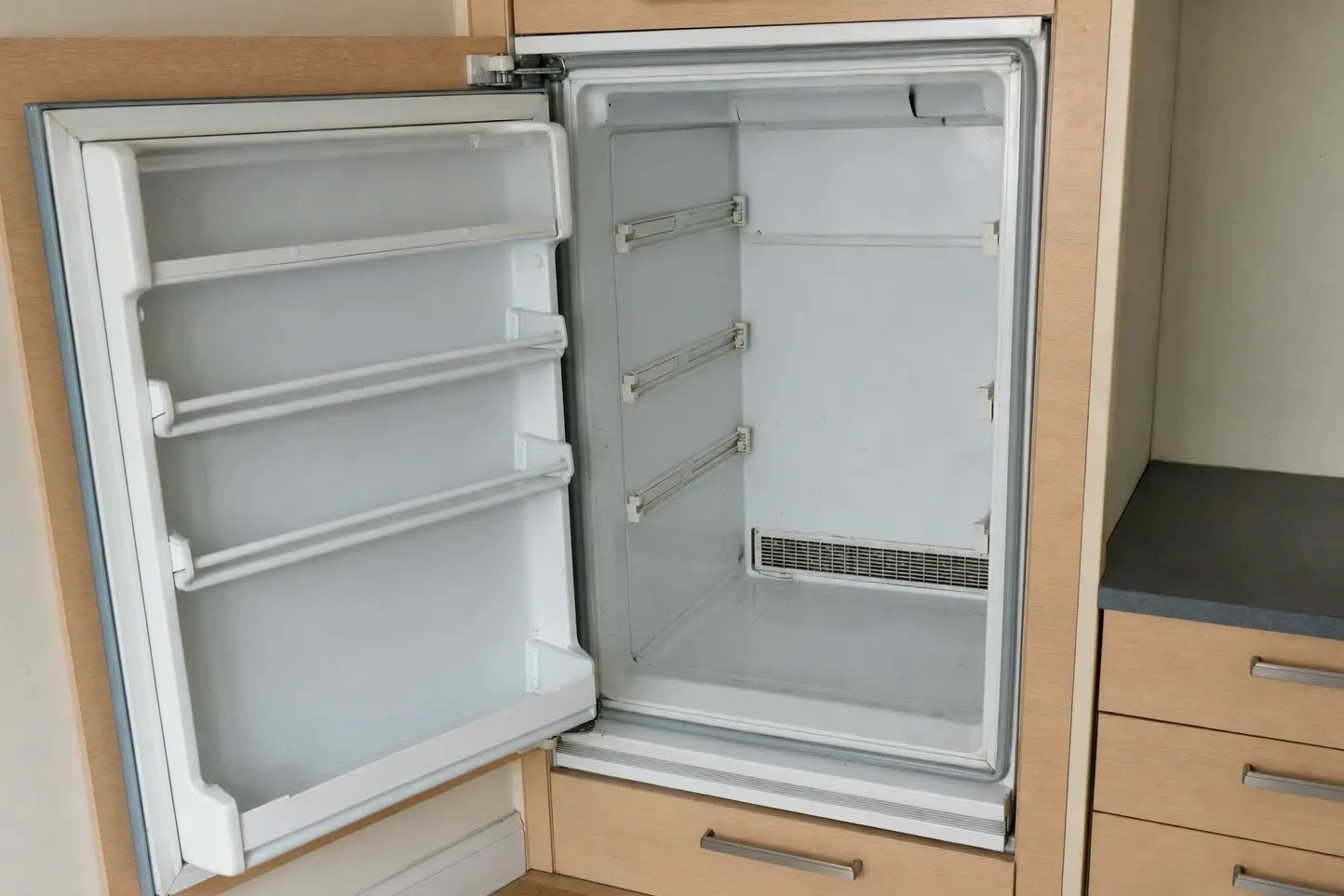
A door seal is the cheapest part of a professional appliance and the one that quietly decides how well the expensive parts work. In this climate it also ages on a timetable of its own, which is worth knowing at the drawing stage: the easier a door is to reach and adjust, the less a stiffening gasket ends up costing anybody.
What dryness does to a seal
Three different seals sit in one Viking kitchen and they are not the same material. Refrigeration uses a soft profile with a magnet running through it, sealing by contact. An oven door is typically a braided rope, sealing by being squashed. A dishwasher uses moulded rubber around the door and the tub. Each of them fails in its own way, and only one cares much about the room it stands in.
Flexible profiles stay flexible because of what is mixed into the plastic, and those additives leave slowly. Heat drives them out fastest and time does the rest. Air that is dry more or less permanently is a contributor rather than the main cause: it keeps the surface losing volatiles instead of sitting in equilibrium, and across years that shows up as a profile with less give in it than it had.
The second Colorado effect is practical rather than chemical. Appliances that stand unused dry out. A second kitchen in a basement, a guest suite, a house in the foothills closed for part of the year — seals that are never wetted and never worked stiffen in the shape they were left in, and a dishwasher that has not run since spring is the textbook case.
Where it shows first
Not where people expect. In a humid climate, refrigeration that has stopped sealing announces itself: warm air meets cold metal, the door sweats, and there is water on the floor by the weekend. In a heated Denver house in February the air carries so little moisture that the same leak produces almost no condensation at all, and the warning simply never arrives.
What you get instead is quieter. Frost building somewhere inside a compartment that used to stay clear. A machine running for longer stretches than it did last year. A door that feels cold to the hand along one edge. None of that is dramatic, and all of it means air is moving where it should not be.
On an oven, a tired rope gasket shows as heat escaping around the door and, on a range, as the fascia and the knobs getting warmer than they used to. That one runs on heat cycles rather than on the climate, and it arrives on its own schedule.
The paper test and what it tells you
The check is the same on any door with a soft seal. Close the door onto a strip of paper with half of it inside, then pull. There should be a definite drag. Walk it around the whole perimeter — top, both sides, bottom, and above all the corners and the hinge edge, where a profile gives up first.
The result tells you where, not why. A seal that grips everywhere except one corner is usually not a worn seal at all. It is a door that has dropped, a hinge out of adjustment, or a panel hung slightly out of square that has been loading one side ever since. Custom fronts make that more likely rather than less, because a heavy panel amplifies whatever the hinge was already doing.
Replacing against reseating
Order of work matters here, because fitting a new gasket to a door that is not sitting straight buys a few months and nothing else. Check the door first: how it hangs, whether the hinge is adjustable on that model, whether the panel is square, and whether anything has been added to it since handover. Then check whether the existing profile has simply come out of its channel, which happens and looks exactly like failure.
Replacement is the right answer once the profile itself has hardened, torn at a corner, or taken a permanent set that warmth no longer relaxes — and seals do behave better in July than in January for precisely that reason. It is a small job on an appliance somebody can get at, and a much larger one on a column built into a tall run with no room to swing the door clear. Which puts it back on the drawing, where it started.
One term, defined
Door gasket
The flexible seal around an appliance door that closes the gap between the door and the cabinet. On refrigeration it holds a magnet and seals by contact; on an oven it is typically a braided rope that seals by compression. Both fail quietly rather than suddenly.
Spec check
Confirm each of these before anything is cut, ordered or delivered.
- That the door still hangs square before a gasket is blamed, custom panels added since installation included
- Whether the hinge on that model is adjustable, and by whom, read from the installation instructions
- The paper test walked around the whole perimeter, corners and hinge edge included
- That appliances standing unused for months get run occasionally instead of being left to dry in place
- Enough clearance in the drawing to open the door fully and work on the seal without pulling the unit out
Questions on site? Viking Appliance Repair Denver, (720) 770-4189.
Follow-ups we get asked
How often does a refrigeration door gasket need replacing?
There is no schedule worth quoting. A seal lasts as long as it keeps gripping paper all the way round, which depends on heat, handling and how square the door hangs. Test it twice a year and replace on the result rather than on the calendar.
Can I soften a hardened gasket instead of replacing it?
Warmth relaxes a profile that has taken a set, which is why a seal often behaves better in summer. That is a reprieve, not a repair. Once the material has hardened enough to fail the paper test in winter, it will keep failing every winter after that.
Does a heavy custom panel shorten the life of a gasket?
Indirectly, yes. A panel adds weight at the far end of the hinge, and a door that sags loads one part of the seal harder than the rest. Confirm the panel weight limit for the model before the joinery is made. Viking Appliance Repair Denver, (720) 770-4189.